

Where Heritage Leads the Design
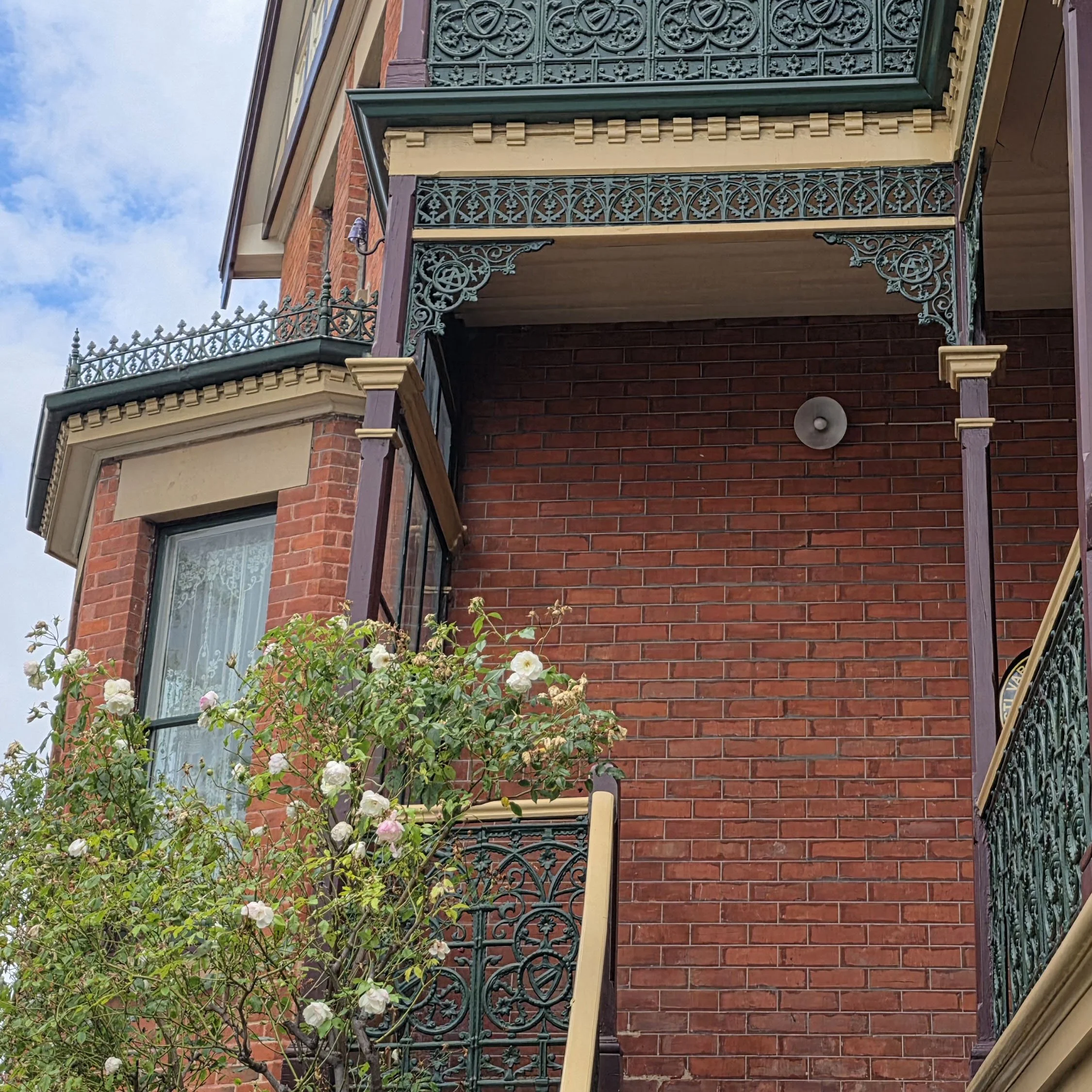
A considered approach to designing heritage homes, guided by what remains, what endures & what deserves to be carried forward.
When designing or renovating a heritage home, the most important stage is often the least visible, yet is shapes everything that follows.
Images: Taken by Mel Hoekstra while researching heritage homes in Tasmania
There is a quiet moment at the beginning of every project where nothing is designed, yet everything begins to take shape. It happens before plans are drawn or materials are selected, and it rarely forms part of what is ultimately seen. It is the process of observation.
Recently, while travelling through Tasmania, I found myself drawn not only to the spectacular landscape, but to the homes that have endured quietly over time.
There is a depth to these spaces that cannot be recreated in a single moment of design. Doorways, stair treads and surfaces worn smooth through use, details resolved with care and skill, and finishes that have settled into place rather than been applied.
They feel composed, not constructed.
Too often, design begins with what is new.
Materials, finishes and forms are selected in isolation, without a clear understanding of what already exists within the home. The result can feel considered in parts, yet unresolved as a whole.
A more measured approach to interior design, particularly in heritage homes, begins differently.
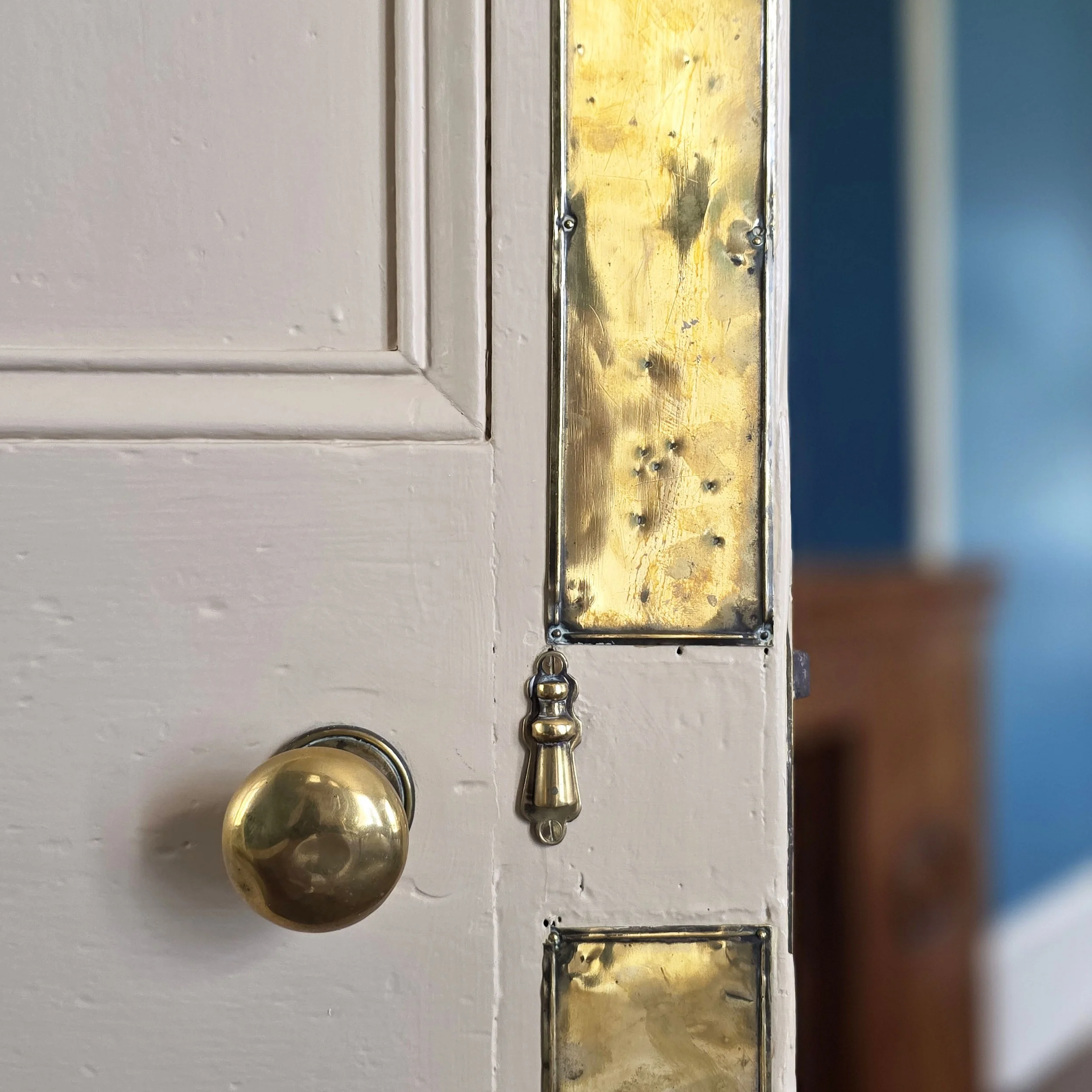
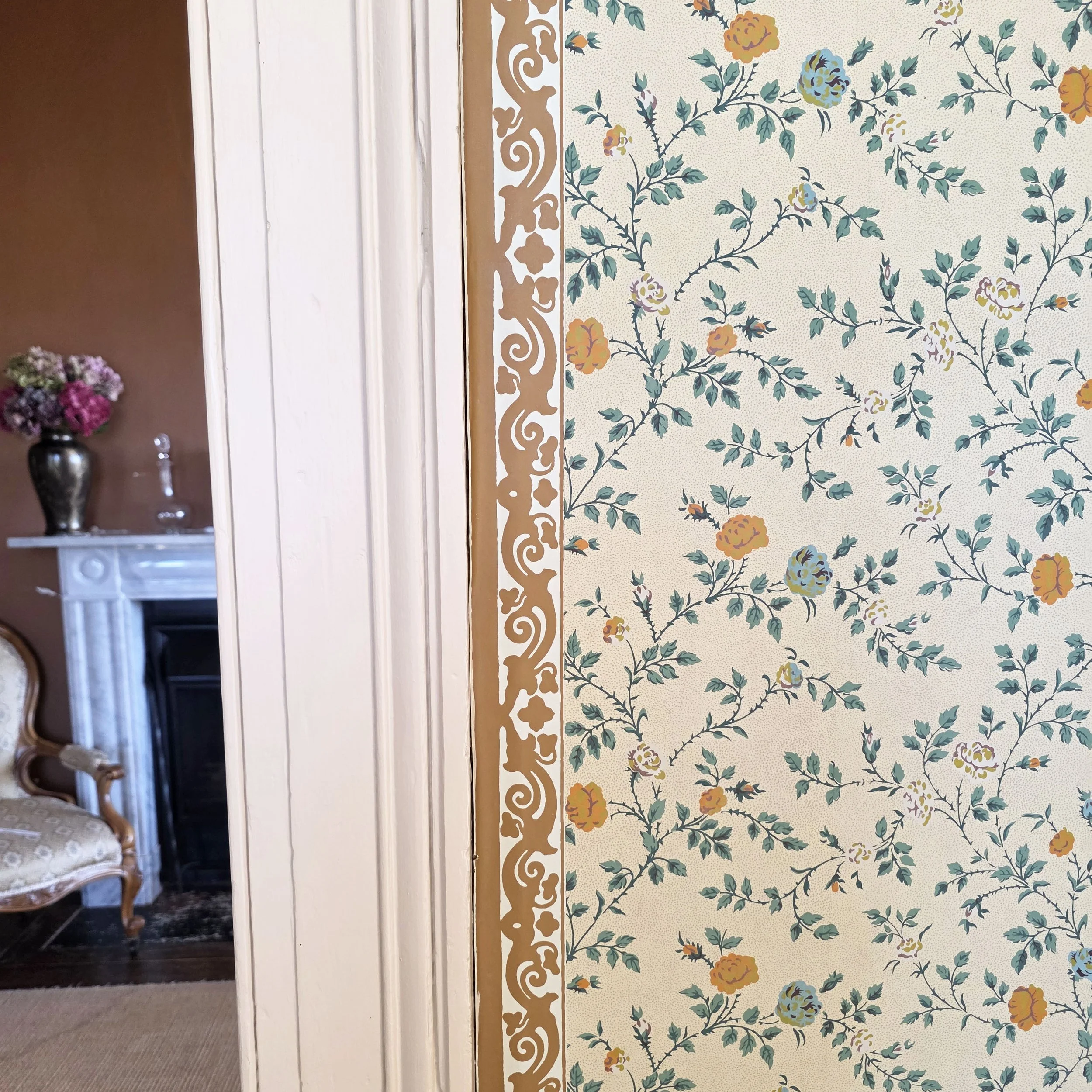
It considers how materials respond to time, how colour shifts with changing light, and how proportion and detail influence the way a space is experienced. These observations form a framework, allowing new elements to be introduced with clarity rather than assumption.
This has become part of the research process for an upcoming heritage project, studying the elements that have endured and understanding how they can be carried forward to suit today’s way of living.
Within a heritage-listed home, this process becomes essential.
Certain elements are protected, and changes must be approached with care. Rather than limiting the design process, these parameters refine it, encouraging decisions that are more deliberate, more considered, and more respectful of the home’s existing character.
Not everything calls for replacement. Some elements are best retained, others refined, with new layers introduced in a way that supports, rather than competes with, what is already there.
The most successful interiors are rarely those that feel entirely new.
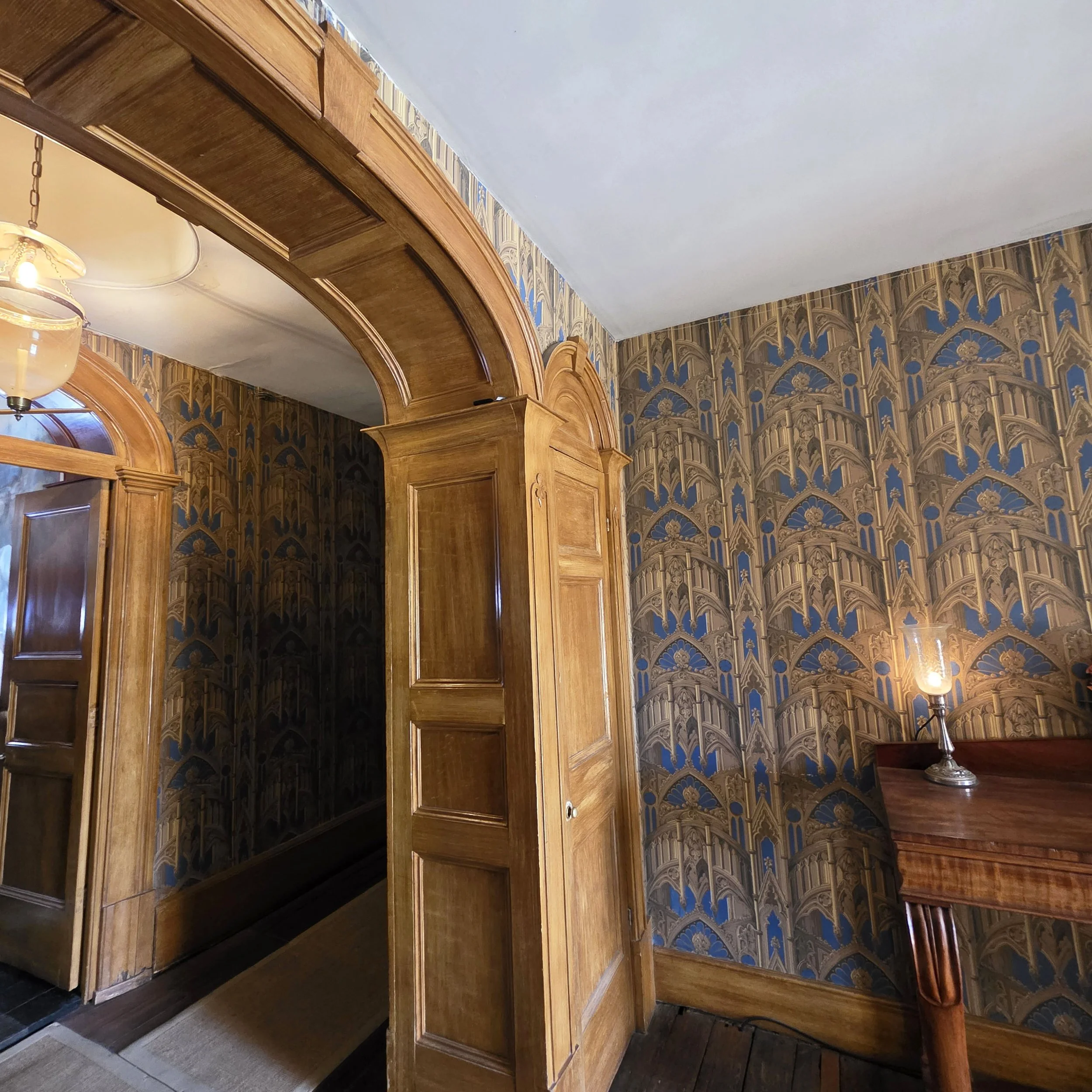
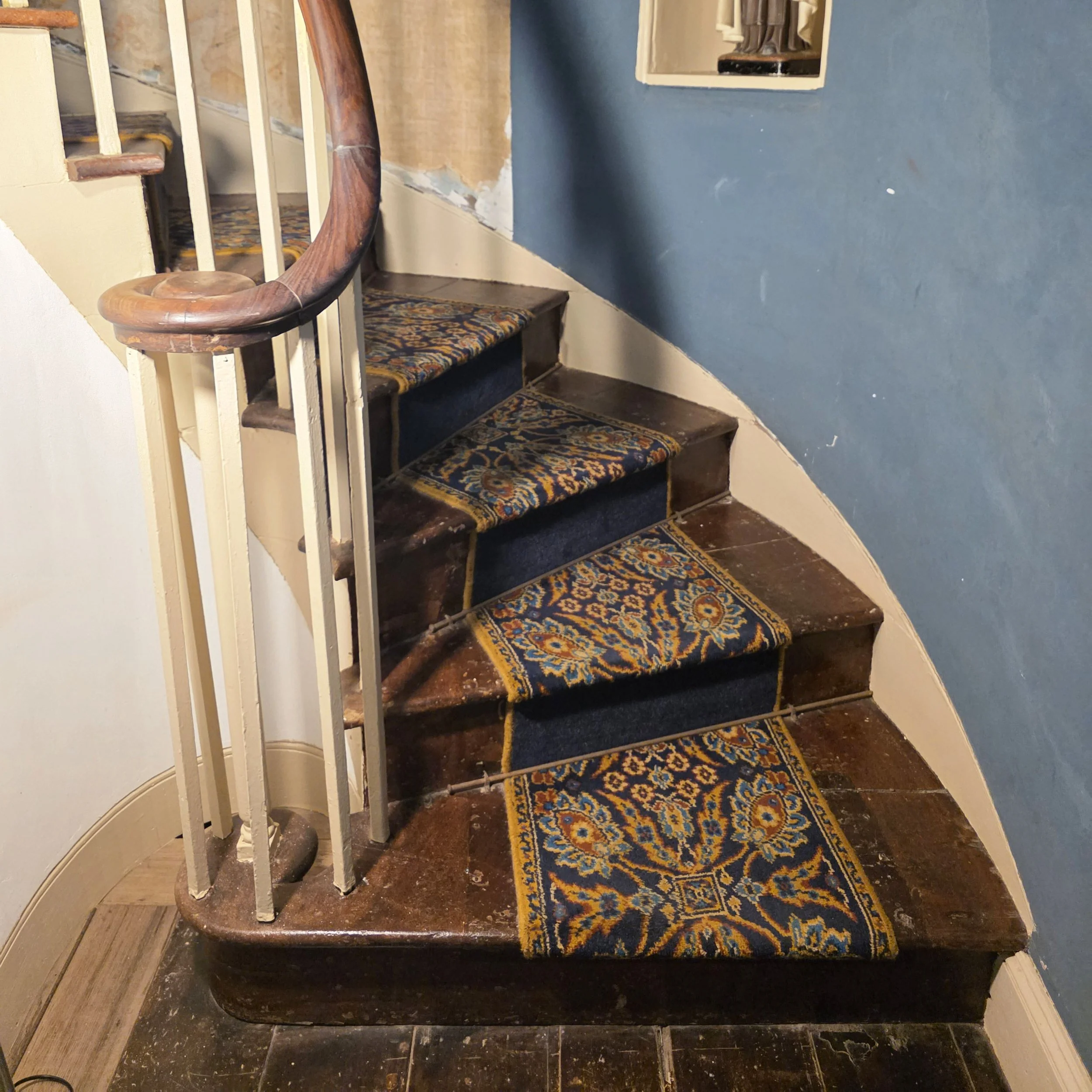
Instead, they read as though they have evolved over time, where each element sits comfortably within the architecture, and where materiality, proportion and light are working in quiet alignment.
This is where restraint becomes as important as creativity, and where understanding carries more weight than adding.
This stage of the process is often overlooked.
Yet it is the one that determines whether a home will feel resolved, or simply complete.
It is also how we approach every interior design project.
Through observation, research and restraint, we design heritage homes in a way that allows them to evolve with integrity, building on what exists rather than replacing it.
Because the most enduring interiors are not imposed.
They are revealed, refined and thoughtfully carried forward.
At Mel Hoekstra Interiors, we believe thoughtful design shapes the way we live; creating homes that feel grounded, functional and deeply personal long after the project is complete. We design with intention and care, crafting spaces that balance beauty with everyday ease.
Thoughtful design. Lived-in beauty. Homes that support life, every day.
Stay connected through our newsletter, where we share considered design insights, new project and thoughtful inspiration from our studio.
Connection & joy, always,
Mel xx
