

The Art of Restraint
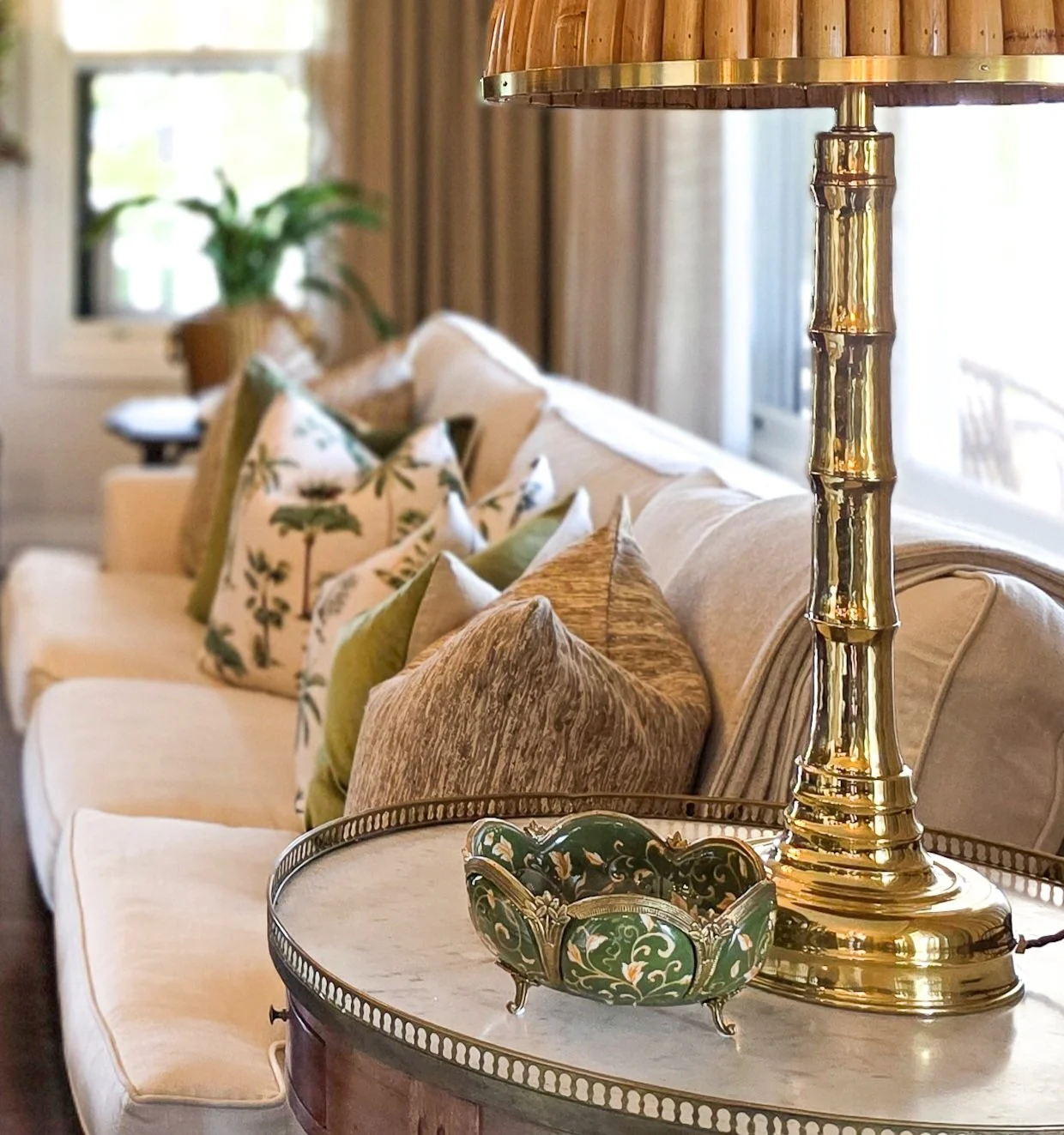
One of the most interesting moments in a project arrives when there are no obvious problems left to solve. The floor plan has been resolved, the proportions feel balanced, the furniture sits comfortably within the architecture and the materials work together exactly as they should.
The room feels complete, yet there is often an almost irresistible temptation to keep going, to introduce another layer, another object or one final gesture in the hope of making it even better.
It's an instinct I understand.
We're surrounded by interiors where every shelf has been styled, every corner furnished and every surface filled with carefully curated objects, making it easy to believe that beautiful homes are created through continual addition. Yet I've found myself reaching the opposite conclusion. Some of the strongest rooms I've designed owe their success not to what was added at the end, but to what we deliberately chose not to include.
Restraint isn't about designing with less. It's about designing with enough confidence to know when the home is complete.
That confidence doesn't arrive by accident. It comes from understanding what the room is asking of you in the first place. Is another chair genuinely needed, or are we simply uncomfortable with an empty corner? Does the wall need artwork, or has the architecture already said enough? Is another decorative object adding interest, or is it competing with everything that drew us to the room in the first place?
One of the most interesting moments in a project arrives when there are no obvious problems left to solve. The floor plan has been resolved, the proportions feel balanced, the furniture sits comfortably within the architecture and the materials work together exactly as they should. The room feels complete, yet there is often an almost irresistible temptation to keep going, to introduce another layer, another object or one final gesture in the hope of making it even better.
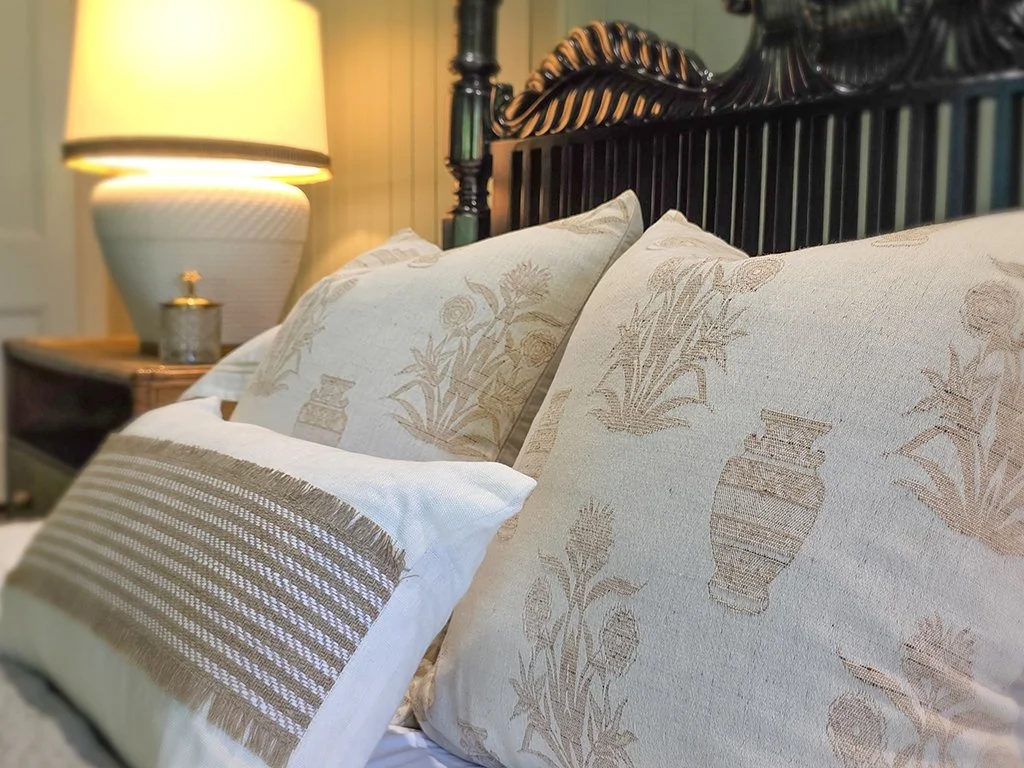
Natural materials have reinforced that lesson time and again. A beautifully figured piece of timber, a slab of stone with quiet movement or handmade linen doesn't need elaborate styling to justify its presence. Their character is already there. Surround them with too many competing ideas and they begin to lose the very qualities that made them worth choosing.
One of the qualities I value most is designing homes that remain open to the lives unfolding within them. By the time we hand over a project, every room feels resolved, every decision has purpose and the home is complete. What changes over the years isn't the design itself, but the stories that gradually settle into it. A ceramic discovered while travelling, a painting bought on impulse because it reminded you of a particular place, books collected over decades or an object handed down through family become part of the home in a way no designer could ever specify.
Looking back at projects completed years ago, I don't hope they've remained exactly as we installed them. I hope they've been lived in. I hope favourite books have found their way onto shelves, fresh flowers on the dining table and objects carrying personal history now sit comfortably alongside the original design. That's the difference between decorating a room and creating a home. Good design doesn't compete with the life lived inside it. It gives it somewhere to belong.
I've come to think that restraint has very little to do with editing. It's an expression of confidence. Confidence in the architecture, confidence in the materials and confidence that the home already contains everything it needs to support the people living there. Once those foundations are right, there is no urgency to keep adding. Life will take care of that.
My favourite homes are never the ones where every surface has been perfected. They're the homes that feel settled, comfortable in their own skin and ready for another decade of family dinners, quiet Sunday mornings, unexpected celebrations and the countless ordinary moments that slowly become the memories people treasure most.
A home doesn't become richer because every space has been filled.
It becomes richer because it has been designed well enough to welcome whatever life brings next.
At Mel Hoekstra Interiors, we believe beautiful homes don't need to prove themselves. Through considered design and a clear understanding of how our clients want to live, we create homes with the confidence to stand the test of time while embracing the stories still to come. That is the foundation of Our Way of Living.
