

Invisible Decisions That Change Everything
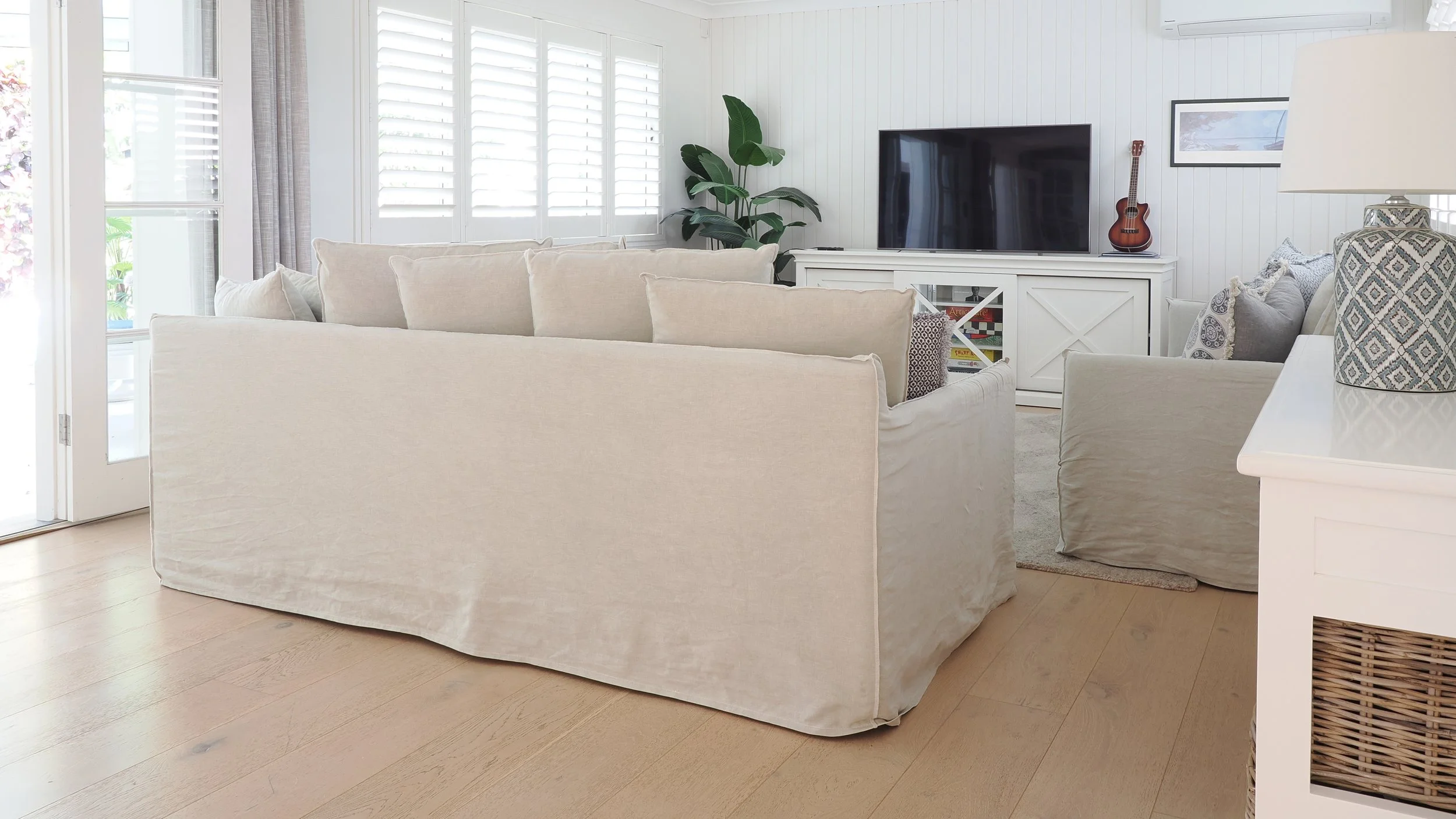
Every now and then a client will stop me while we're reviewing plans and ask why I've moved a doorway a little further along a wall or shifted a window that already seemed perfectly well positioned. It's an entirely reasonable question.
On paper the change barely looks worth discussing, particularly when there are kitchens, bathrooms and material selections still to come, yet I know that one seemingly insignificant adjustment will probably have a greater influence on how they experience their home than whichever tapware we eventually choose.
Those conversations have stayed with me over the years because they reveal something most people never have the opportunity to see. By the time a home is complete, the decisions attracting the most attention are usually the ones that arrived towards the end of the process. People notice the stone. They notice the lighting, the timber flooring, the beautifully crafted joinery and the furniture carefully layered throughout each room. What they don't see are the hundreds of quieter decisions that made all of those visible elements feel as though they belonged exactly where they were.
I've often thought residential design is a little like watching a theatre production. The audience remembers the performance, yet doesn’t consider the months spent refining the script, adjusting the lighting, rehearsing movements or building the stage. If all of that work has been done well, it simply disappears. A home works in much the same way. The most important decisions are often the ones nobody notices because they were never intended to draw attention to themselves.
A doorway shifts just enough to improve the view as you walk through the front door. A hallway becomes slightly wider so two people can comfortably pass one another without thinking about it. A window moves a little higher because that's where the morning light will fall across the dining table. The pantry grows by a few shelves because a family genuinely enjoys cooking together, while the laundry gains another metre of bench space because that's where school uniforms are folded every Sunday afternoon. Viewed individually, these decisions feel almost inconsequential. Lived with every day, they quietly shape the rhythm of family life.
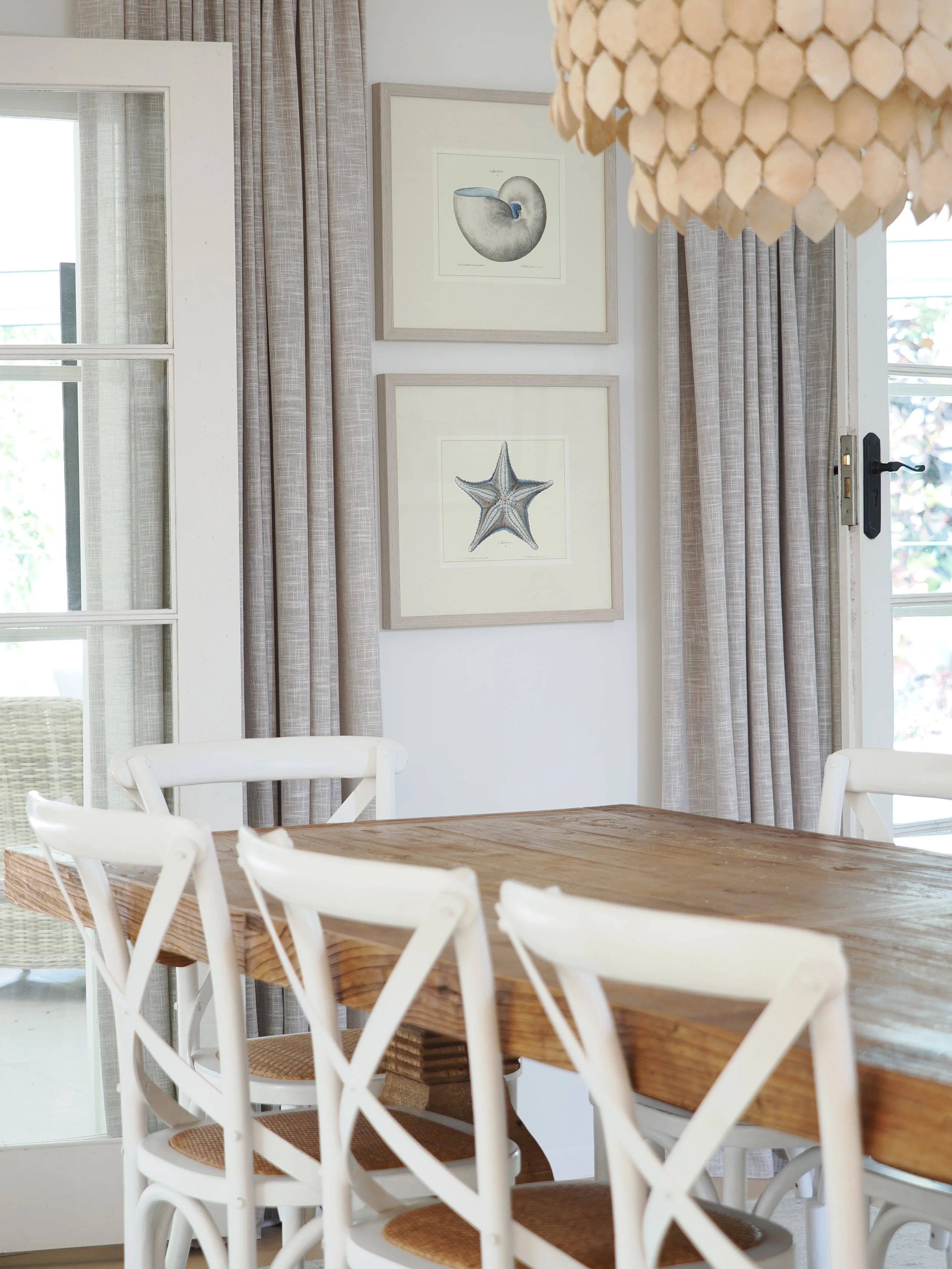
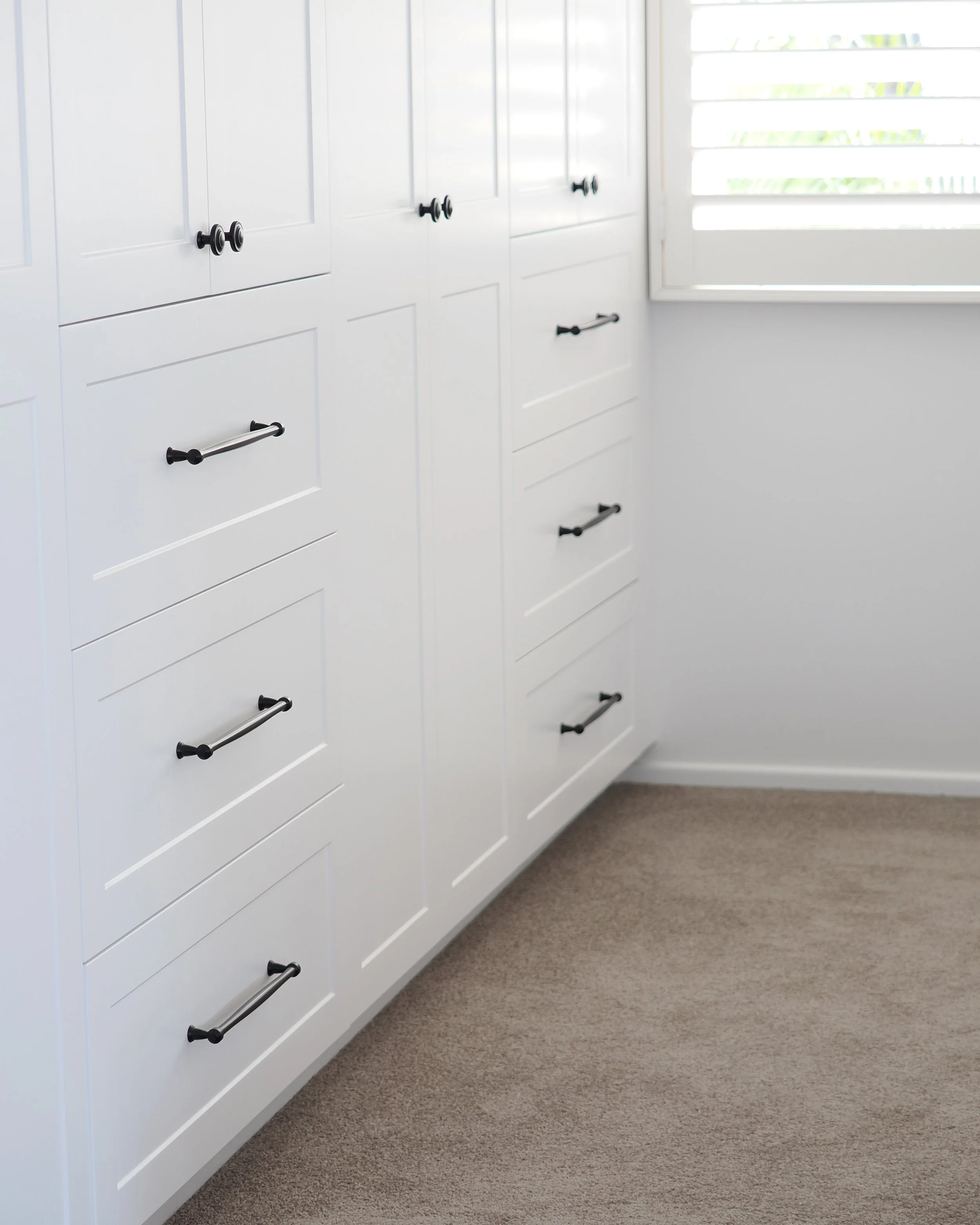
I've never had a client call me six months after moving in to say how pleased they are that we shifted a wall by two hundred millimetres. What they do say is that the house feels easier to live in, that everyone naturally gathers in the kitchen now, that mornings somehow feel calmer or that they hadn't realised how frustrating their previous layout had been until they experienced one that simply worked. Those conversations are infinitely more satisfying because they confirm what good residential design has always been trying to achieve. Not admiration, but ease.
The longer I work in this profession, the less interested I become in the individual selections that tend to dominate conversations online and the more interested I become in the invisible framework holding everything together. Beautiful homes aren’t created through beautiful products alone. They come together through the relationship between rooms, materials, natural light and the people who live there. That's why we spend far more time talking about family routines, entertaining, mornings and weekends than we do discussing finishes in the early stages of a project.
I've walked through homes with very similar budgets where one simply felt better than the other. Not more expensive. Not more impressive. Just easier to be in. People settled in without thinking, conversations unfolded naturally and nobody seemed in a hurry to leave. Those homes weren't defined by a particular material or feature. They were defined by the countless decisions that had quietly considered the people living there.
Good design has always fascinated me for this reason. At its best, it disappears. It doesn't ask to be admired every time someone walks into the room, nor does it rely on dramatic gestures to justify itself. Instead, it quietly supports everyday life, making hundreds of ordinary moments feel just that little bit easier, calmer and more enjoyable than they otherwise would have been.
Whenever a client asks why I've moved a doorway, adjusted a wall or suggested a window should sit somewhere different, I usually smile because I know the answer won't become obvious while we're standing over the plans. It will reveal itself years later, in the ordinary moments they'll never think to attribute to design, when the house simply feels right.
At Mel Hoekstra Interiors, we believe a home should do more than look beautiful. It should support the way you live, strengthen the moments that matter and become more meaningful with time.
That is the foundation of Our Way of Living.
