

Why Perfect Homes Often Feel Forgettable
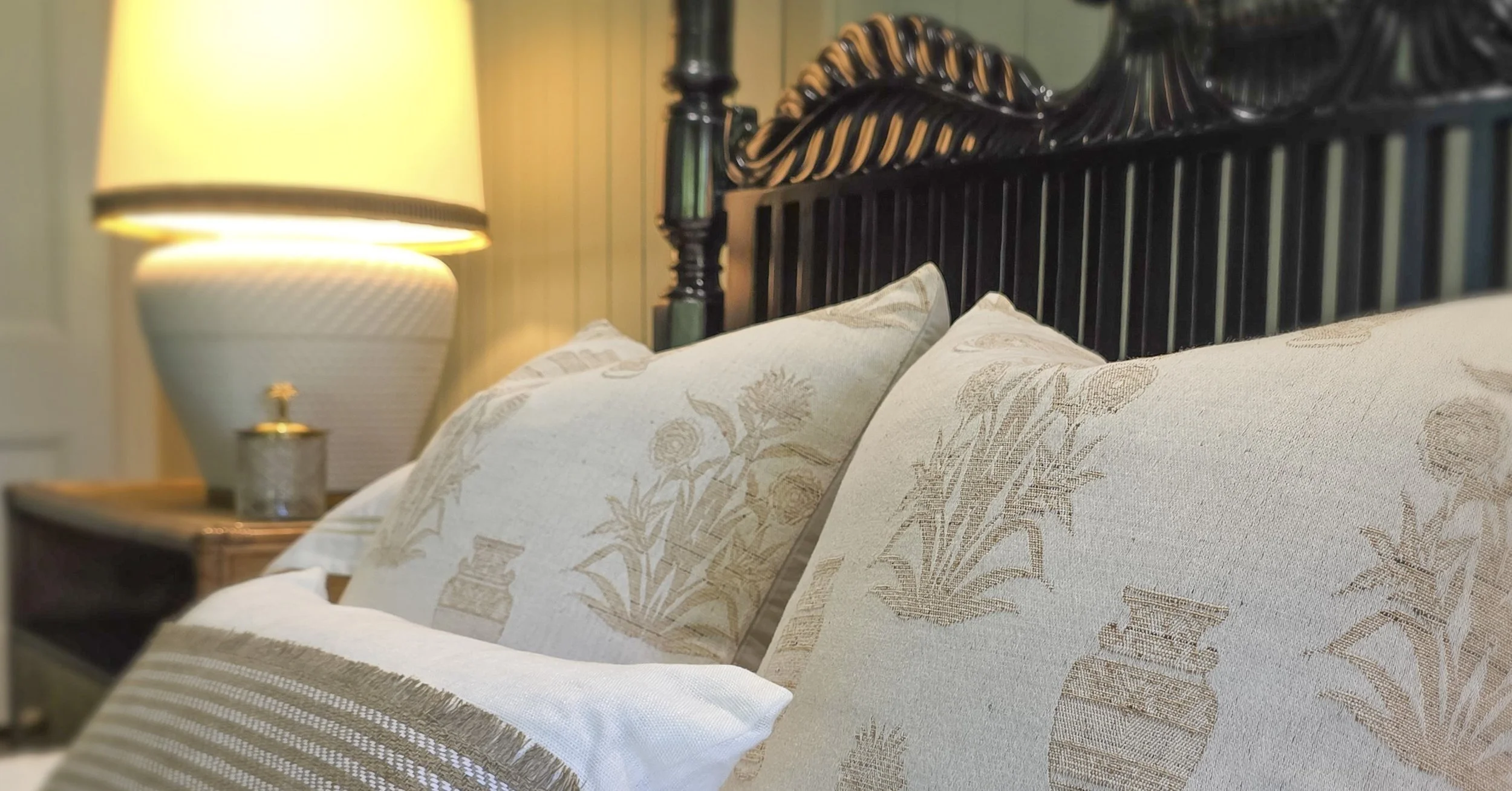
I've been in some incredibly beautiful homes over the years, but I've always been interested in why certain homes stay with us while others, despite being beautifully designed, don't leave quite the same impression.
There was nothing wrong with them. The stone was beautiful, the joinery beautifully made, the furniture expensive and every surface perfectly styled. You could appreciate the work and money that had gone into them, yet somehow there was very little that made you want to stay.
Then there are other homes I can still picture years later.
They're not necessarily the grandest homes I've been in, nor the most expensive, but there was something about them that stayed with me. Maybe everyone ended up around the kitchen island even though there were plenty of other places to sit, or there was a chair beside a window that you immediately wanted to sink into. There were books that had obviously been read, objects collected on travels, artwork that meant something to the owners and furniture that hadn't been replaced simply because something newer came along.
They felt like somebody lived there.
I think we've become a little too good at creating homes that look finished.
We're surrounded by photographs of interiors where everything is in exactly the right place, the cushions are sitting perfectly, the kitchen benches are completely clear and there isn't a charger, pair of reading glasses or half-finished cup of coffee anywhere to be seen. They're beautiful images, and of course there's a place for them, but they're a photograph of a room at one particular moment.
That's not really a home.
A home changes constantly. Flowers come and go, books pile up beside a bed, somebody moves a chair because that's where they prefer to sit in winter, children grow up, artwork is collected, something inherited from a parent suddenly has enormous meaning and a piece bought on holiday finds its way onto a shelf alongside something far more valuable.
That's the layer I'm interested in.
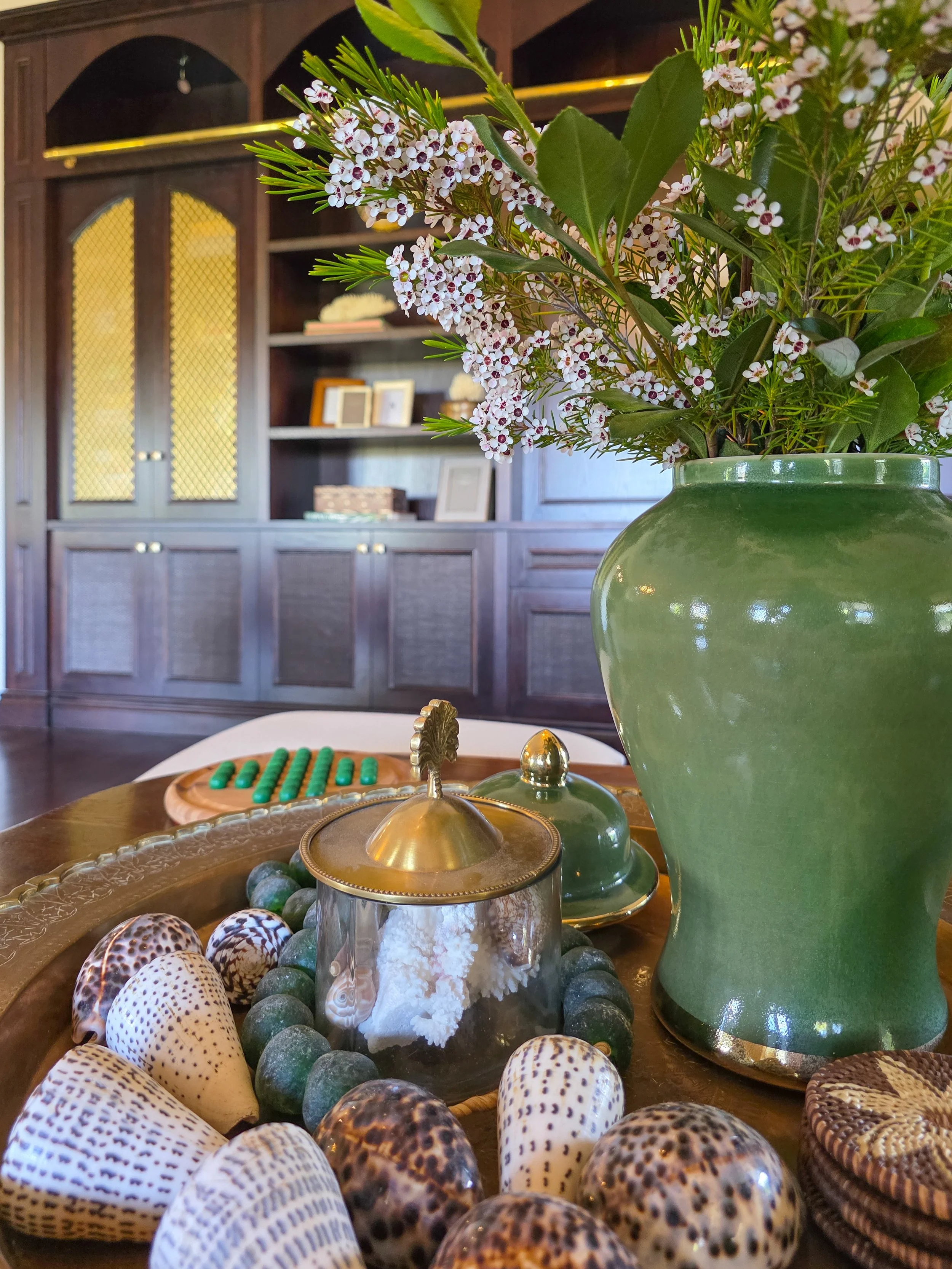
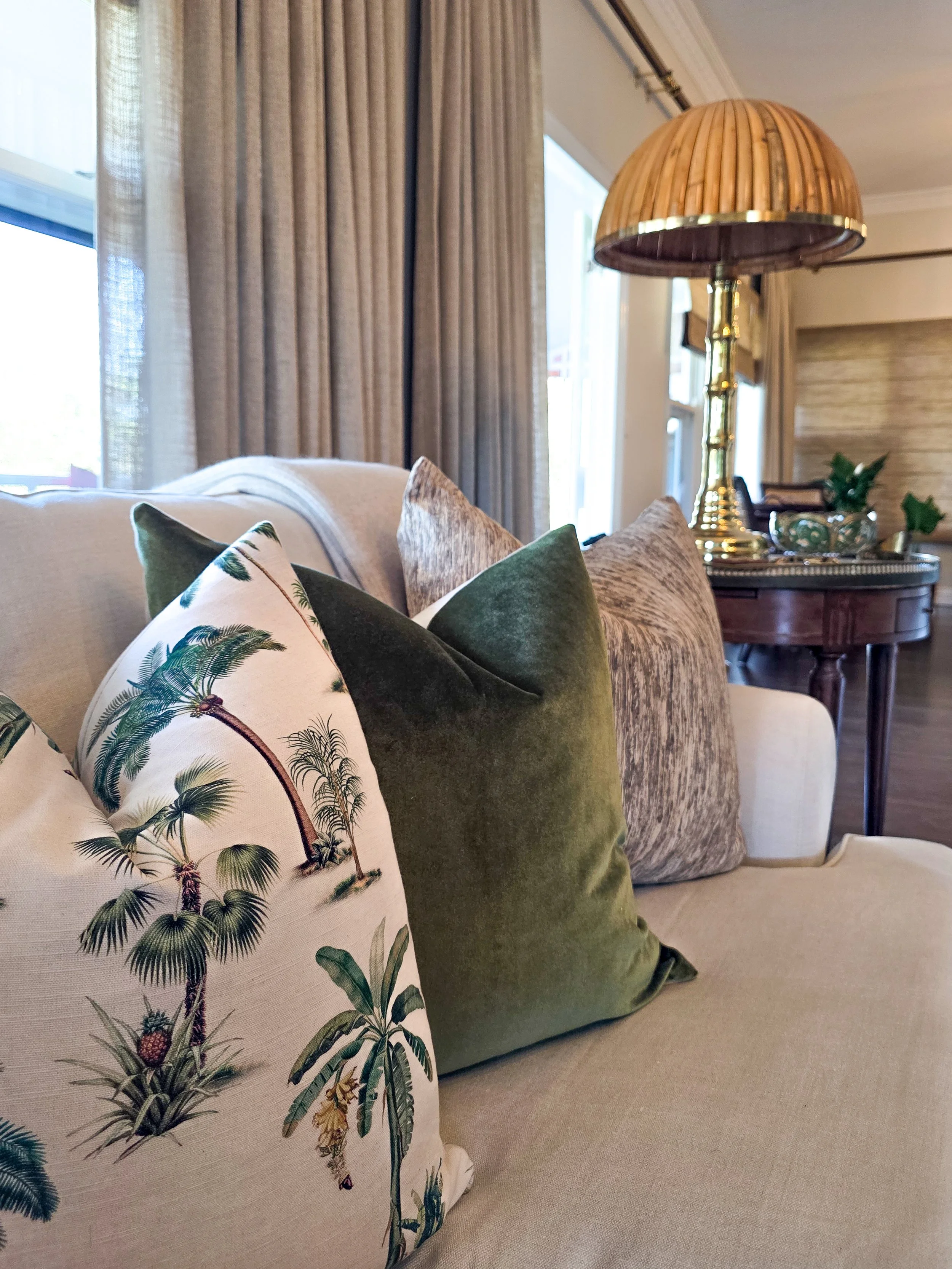
It doesn't mean good design matters less. In fact, I think it matters more. The floor plan, proportions, lighting, joinery, furniture & materials need to be resolved properly so the home has a strong foundation, but once they are, the design shouldn't be so precious that ordinary life feels like an intrusion.
Some of my favourite rooms have a little tension in them. An antique piece sitting beside something contemporary. A beautiful stone bench with a bowl somebody has owned for twenty years. Artwork that wasn't selected because it matched the sofa. A chair that might not be the obvious choice on paper but belongs there because everyone in the family loves sitting in it.
Those things give a home personality, and personality is difficult to achieve if everything has been selected at once to fit a particular look.
This is also why I'm wary of over-designing. Not every wall needs something on it, every corner doesn't need furniture and every surface doesn't need another object simply because there is room for one. At some point you have to trust the design enough to stop.
Perfection can be strangely unforgiving. When everything is immaculate and every object feels as though it has been positioned for a photograph, you become very aware of yourself in the room. You hesitate before putting your coffee down. You wonder whether you're sitting on the right cushion. You admire the space, but you don't necessarily relax in it.
A home should be able to take a little life.
It should cope with friends staying longer than expected, a pile of books beside the sofa, flowers cut from the garden, children coming home, grandchildren arriving one day and the objects we accumulate simply because we love them. A beautifully designed home shouldn't lose something when these things happen. It should become better.
That's probably what separates the homes I admire from the ones I remember.
The homes I remember tell me something about the people who live there. You can see what they love, where they've travelled, what they keep and where they like to spend their time. They haven't sacrificed beauty to achieve that; the design has simply given their life somewhere beautiful to happen.
And for me, that's far more interesting than perfection.
At Mel Hoekstra Interiors, we design homes around the people who live in them. Beautiful spaces matter, but so does the way a home feels once real life moves in; the gatherings, collections, routines & memories that make it unmistakably yours. That is the foundation of Our Way of Living.
