

The Problem With Designing a Home From Pinterest
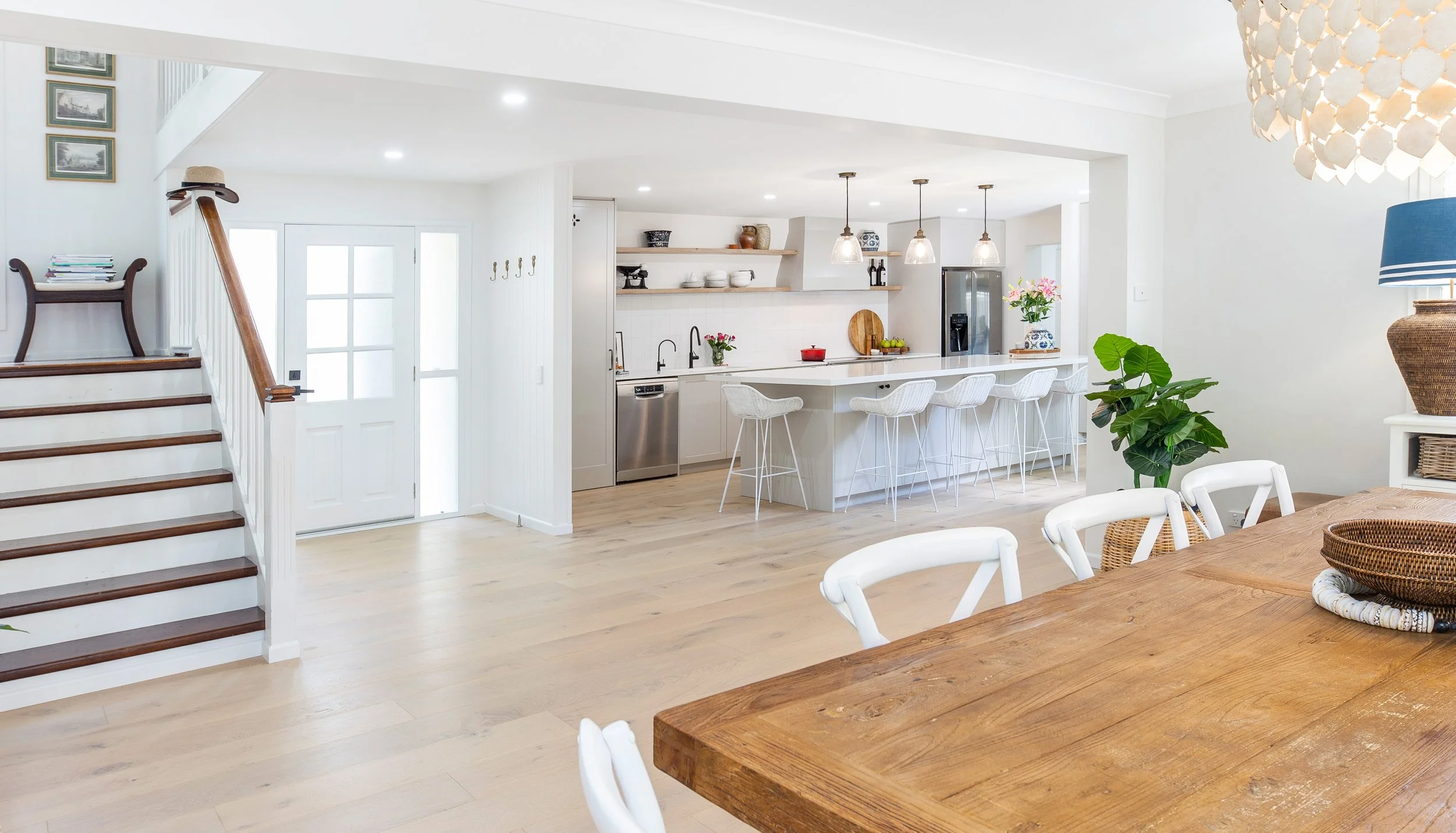
By the time we sat down together, there were hundreds of saved images spread across Pinterest boards, Instagram collections, screenshots and folders, each one representing a moment of inspiration gathered over months of planning and anticipation.
There were kitchens from London townhouses, bathrooms from New York apartments, living rooms from Scandinavian retreats and dining spaces from homes on the other side of the world, all undeniably beautiful and all speaking to something the clients instinctively responded to, yet despite the sheer volume of inspiration sitting in front of us, the direction for their own home felt less certain than ever.
It's a scenario I encounter regularly.
Never before have we had access to so much design inspiration, yet rarely has it been more difficult for homeowners to define what they genuinely want. Every new image introduces another possibility, another material, another colour palette or another beautifully resolved room, until what began as inspiration gradually becomes an overwhelming collection of ideas that all compete for attention.
Pinterest is not the problem.
In many respects, it has transformed the way people engage with design, making beautiful homes more accessible than ever before and helping homeowners articulate preferences they may have previously struggled to describe. Used well, it is an extraordinary resource. Used without enough reflection, however, it can quietly become something else entirely, replacing thoughtful design with the pursuit of beautifully photographed outcomes.
The difficulty is that homes are infinitely more complex than photographs.
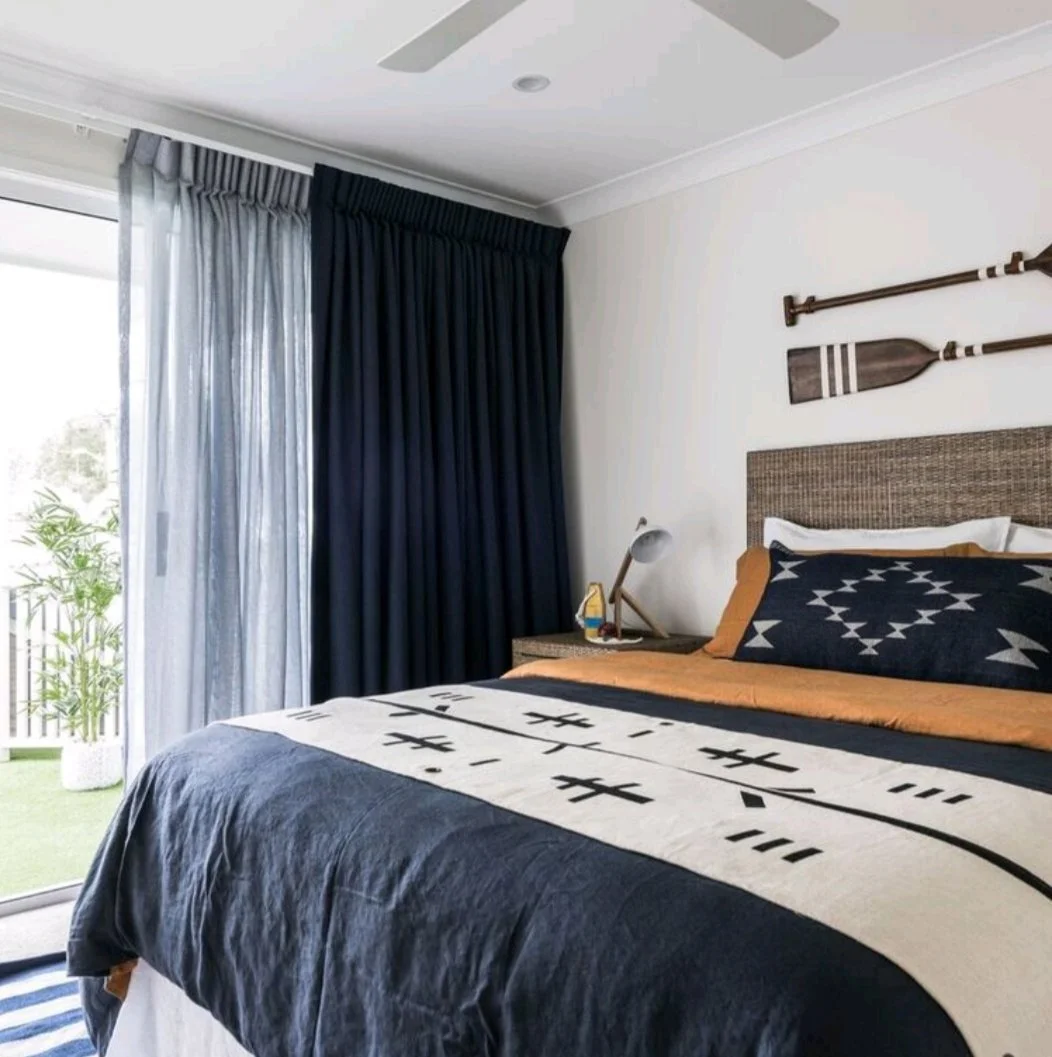
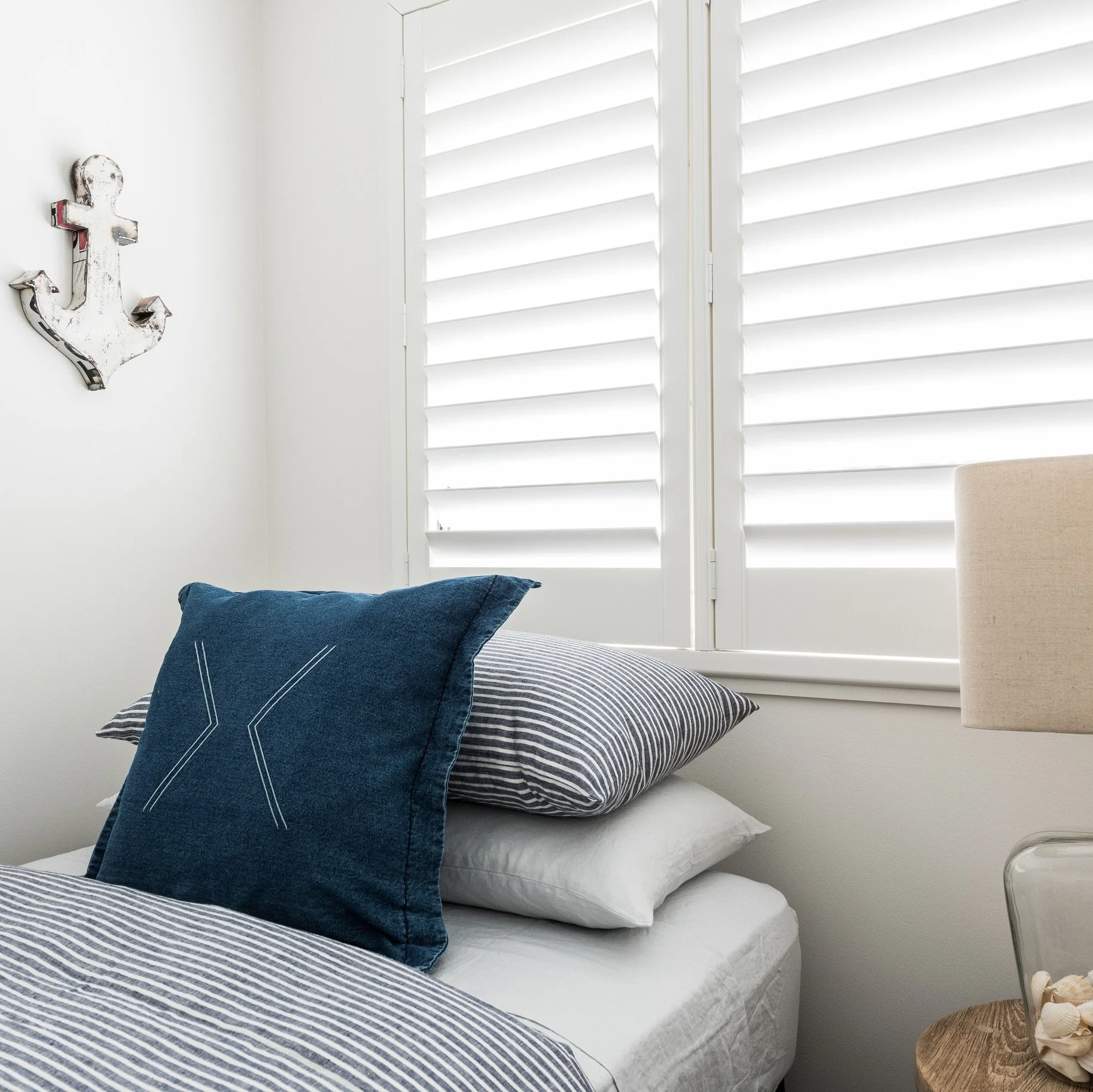
A photograph captures a single, carefully curated moment, revealing what a room looks like while concealing almost everything that determines how it actually feels to live within. It tells us nothing about the family who lives there, how they move through the home, where they naturally gather at the end of the day, how the morning light enters the kitchen or whether the layout supports the countless routines that quietly shape everyday life. We see the result, but almost never the thinking behind it.
It is often at this point that projects begin to drift away from the people they were originally intended to serve. The feeling that first attracted someone to an image becomes gradually overshadowed by the visible details themselves, as attention shifts towards replicating the pendant light, the tapware, the stone or the cabinetry profile rather than understanding why the room felt so compelling in the first place.
The irony is that people are rarely responding to those individual elements at all.
More often, they are responding to atmosphere. They are noticing the quality of natural light, the generosity of proportion, the quiet confidence of a restrained palette or the sense of calm created when every decision works harmoniously with the next. These are qualities that emerge through hundreds of thoughtful decisions, none of which are immediately obvious when viewed through a single image.
Some of the most successful projects I've been fortunate enough to work on have begun with very few reference images at all. Instead, they started with conversations about family life, entertaining, routines, frustrations and aspirations, exploring not how the clients wanted their home to look, but how they wanted it to feel and, more importantly, how they wanted to live within it. Those conversations almost always reveal a clearer design direction than an endless collection of beautifully curated images.
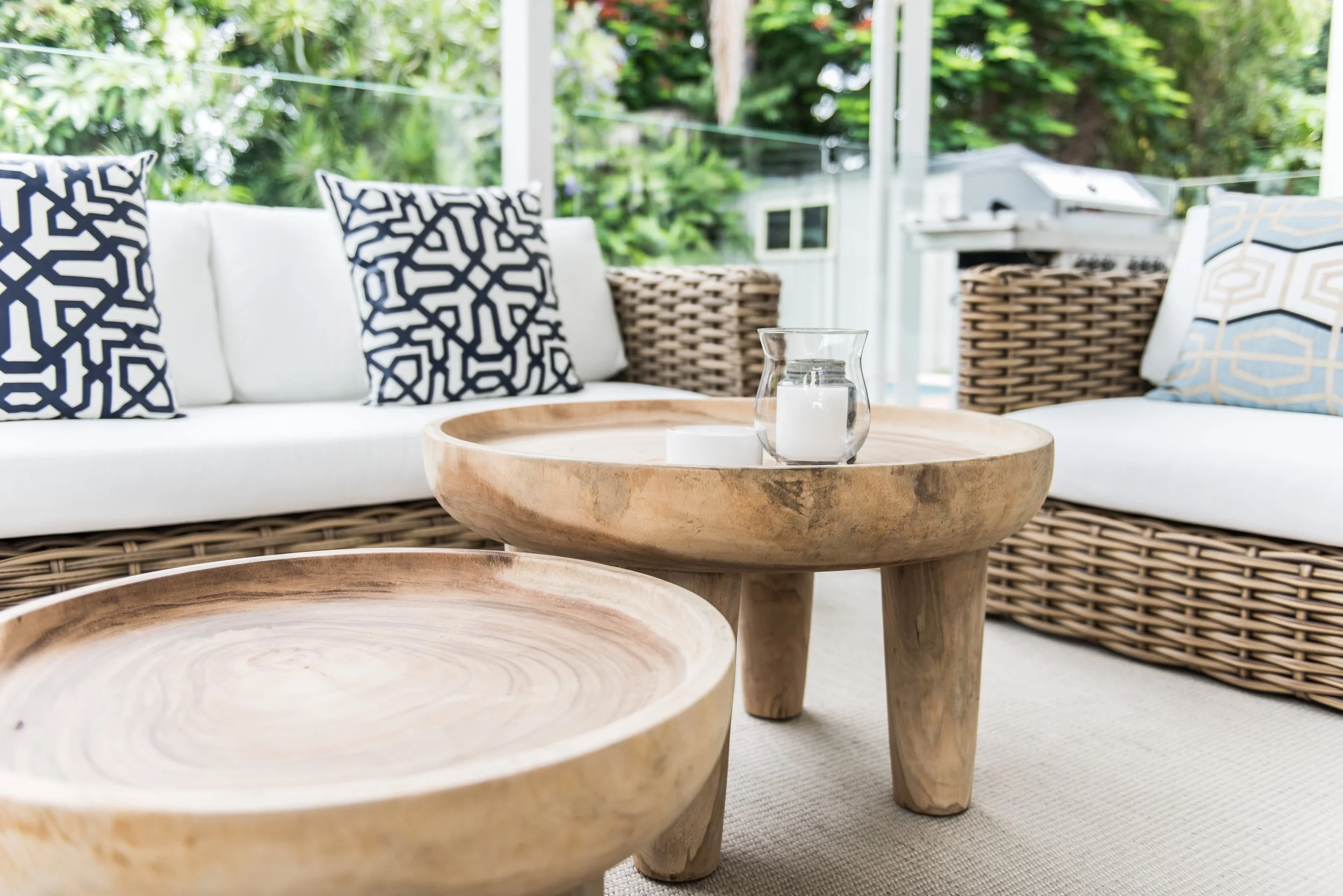
A home shaped around someone else's aesthetic can certainly be attractive, but it will rarely feel entirely your own.
The homes that continue to feel relevant years after completion are usually the ones that have been designed around the people living within them rather than the trends influencing them. They reflect daily rituals, family traditions, individual personalities and changing lifestyles, creating spaces that could not comfortably belong to anyone else because they have been shaped by lives rather than algorithms.
Inspiration will always have an important place within the design process. It helps uncover preferences, identify common themes and provide a shared visual language that makes conversations easier. Its greatest value, however, lies in asking better questions rather than providing ready-made answers.
Perhaps the goal was never to recreate a Pinterest board.
Perhaps the goal was always to understand why those images resonated so deeply in the first place, then create a home that captures the same feeling while belonging entirely to you.
At Mel Hoekstra Interiors, we believe inspiration should always be the beginning of the conversation, never the destination. Every home we design begins with understanding the people who will live within it, creating spaces shaped by their routines, relationships and aspirations rather than somebody else's photographs. That is the foundation of Our Way of Living.
At Mel Hoekstra Interiors, we believe the most successful homes are shaped around people, not photographs. Through intentional design and a deep understanding of how our clients want to live, we create homes that feel personal, connected and uniquely their own. That is the foundation of our Way of Living.
